Despite objections, Minneapolis Police Department scanners are going silent to the public
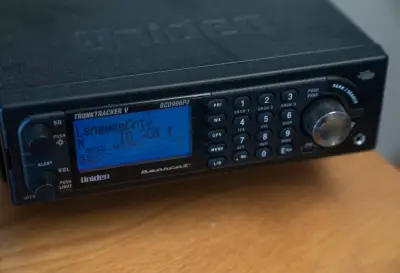
Starting Thursday Minneapolis Police Department scanner traffic will be off limits to the citizens This is no small move particularly in the city where George Floyd was killed by former police officer Derek Chauvin nearly five years ago a matter that initially became international news due to witness video that went viral after MPD sent out an inaccurate news release There s still a major need for transparency around policing in the city mentioned Society Safety Commissioner Todd Barnette adding that the decision to encrypt city scanners was not taken lightly Ultimately city representatives determined encryption is necessary to comply with state and federal law and protect sensitive information from being publicly broadcast Barnette explained In lieu of the scanner traffic the city has launched a new incidents dashboard that updates every half hour This is a situation where we know as best practices to be encrypted Barnette commented Citizens now with the dashboard literally get to see more calls than they could hear over the radio before So what led to the decision to encrypt the scanner and launch the dashboard Changes to federal statute affect scanners Information that should be protected includes a victim s name age and address license plate numbers and drivers license information Minneapolis Director Joni Hodne reported While guidelines around this kind of information have consistently been applied to documents such as a redacted police assessment before encryption this kind of information was still aired on open channels Minneapolis isn t the only city needing to deal with changes to federal law Hodne added For example Hennepin County EMS encrypted in January In the Hennepin County Sheriff s Office became the first agency in the state to encrypt its scanners And Hodne predicts there is more channel encryption to come in agencies across the country The Criminal Justice Information Services CJIS Shield Strategy is updated often This initiative provides guidance to any agency that has access to or acts in endorsement of criminal justice services and information Its preponderance new update included requirements for facts encryption around dissemination of information We have been given a directive that there is a certain amount of information that can no longer go out over community airways Hodne announced It s constantly been protected information We ve constantly had to be very careful when people are in our dispatch center to not let people see screens or see this information when it s coming through but we ve invariably aired it to officers who are on scene We can no longer air that information There is not a hard deadline on new guidance around encryption Hodne clarified but they are moving forward with this swiftly and you re going to see this happening at more and more dispatch centers coming up in the future At this moment Hodne explained dispatch centers have been explained they won t be penalized yet for not complying with modern statute changes but that institutions also have to be actively moving toward compliance Specific smaller agencies can remain in compliance with the statute by increasing their use of these encrypted channels while maintaining an unencrypted feed MPD has used encrypted channels in the past for high-profile cases Hodne noted However the Minneapolis dispatch center takes over calls per year dispatching a first responder to about calls This volume of calls is too high to coordinate switching between different channels under the new legal guidelines she disclosed Dashboard in place of scanners Changes in guidance around encryption instrument are a conclusion of overall changes in equipment and the internet that have made access to scanner traffic easy People can completely tune into apps or websites like Broadcastify to listen to unencrypted scanner traffic in real time Scanner traffic pages have popped up on social media pages across the country In Minneapolis for example Crime Watch Minneapolis has become a popular page The page did not respond to a request for comment on this story but did post about Tuesday s triple homicide that was not largely spoken about on the general scanner as the department has been phasing in its encrypted channel MPD Chief O Hara is concealing citizens info through encryption so details are sparse at this point the crime page posted on X There is a notable difference between how a citizen posting to social media would approach dissemination of information compared to how a trained journalist operates This is something Hodne and Minneapolis Safety Commissioner Todd Barnette concur on As the city began considering police scanner encryption in the summer of last year Barnette met with news media outlets across the city to ask about how scanner encryption would impact news coverage One alternative pitched to Barnette was to allow legacy media access to an encryption switch so that media outlets could still listen to scanner traffic That alternative was ultimately shot down Instead of an encryption key the city built out a comprehensive dashboard of incidents that updates every half hour Barnette announced This at the end of the day gives everyone access not just the media he commented When you look at an encryption key the encryption key really gives you a select group of people that can have it Going to this dashboard gives everyone equal access So you can be sitting in your living room and be able to access the dashboard Issues of media access On the behalf of a group of local media sources media law attorney Leita Walker who includes MinnPost among her media clients wrote a letter in August to Barnette emphasizing the importance of continued media access to real-time scanner traffic as the city considered encryption particularly in Minneapolis In the aftermath of George Floyd s murder citizens here remain skeptical of police news releases and rightly rely on responsible journalism to verify official versions of events through details gleaned not only from police reports and sources but also scanner traffic and crime-scene observations wrote Walker a lawyer with the Minneapolis firm Ballard Spahr The first MPD news release following Floyd s murder claimed Floyd died of a health episode during an arrest It did not mention Chauvin kneeling on Floyd s neck for minutes and seconds Widely circulated video shot by then-teenager Darnella Frazier revealed what really happened In an interview with MinnPost a week before the full launch of MPD encryption Walker mentioned she appreciated how Barnette worked to speak with media outlets during the city s transition but is disappointed that outlets have still lost access and were not granted an encryption switch It helps journalists hold law enforcement accountable because then they can go to the scene themselves while it s happening Walker commented Journalists can talk to viewers while they re on site and they don t have to then trust the press release right The post Despite objections Minneapolis Police Department scanners are going silent to the masses appeared first on MinnPost